









STEVE HOLE tells the story of the Rawlson 250LM and the considerable history of the people involved with Rawlson Racing.
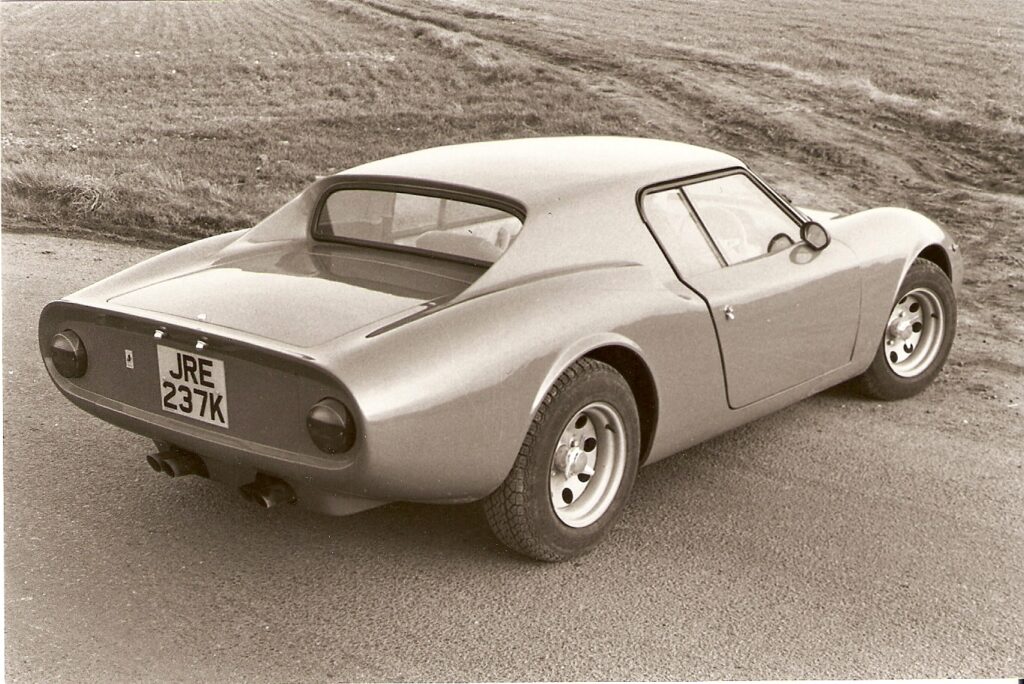
An interesting one this. The Ferrari 250 LM-inspired Rawlson 250 wasn’t actually replica as well as plenty of background on Mike Rawlings’ career and that of the company he co-founded called RAWLSON RACING.
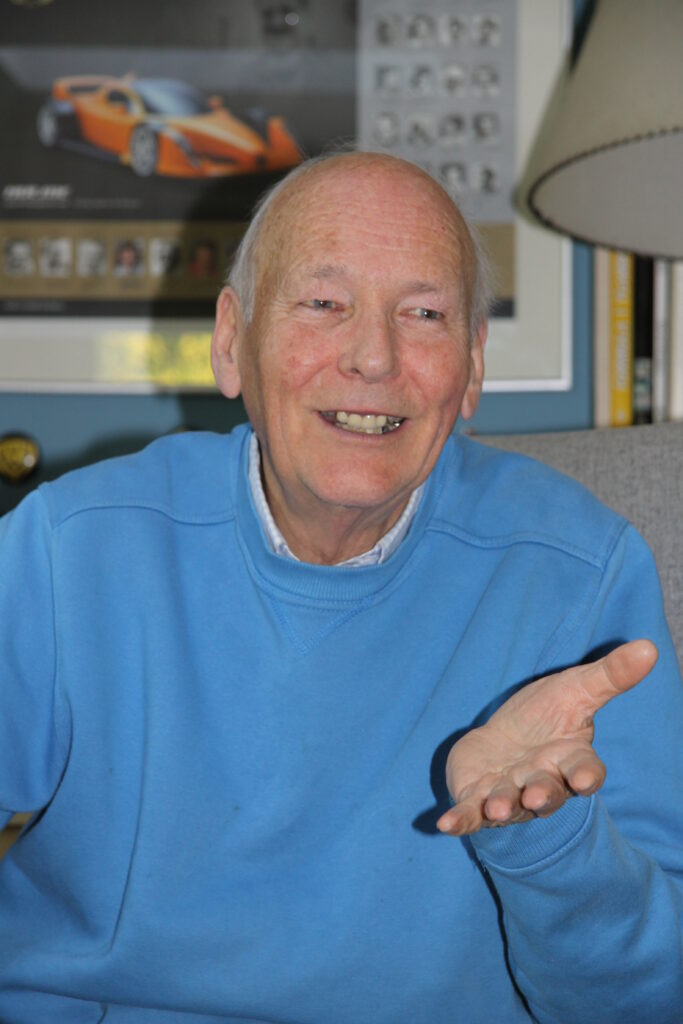
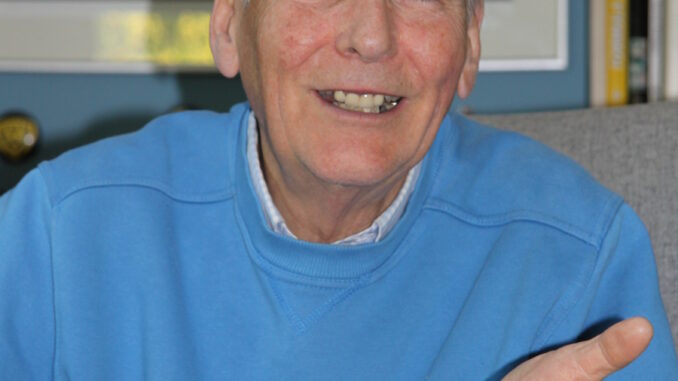
Mike originally set up Rawlson with his friend James Henderson in 1961, while he was still working full-time as a trainee sales executive at oil distributor’s William Cory Ltd in the City of London.
It was very much a part-time operation, the Rawlson name coming from a conflation of RAWLings and HenderSON. Tragedy struck in 1963 with the death of Henderson in a boating accident.
However, Mike had already left Cory’s to join Greenwich-based Heron Plastics run by Derek Bishop in 1962. They were a leading specialist car operation of the day and produced the Heron Europa (Mike raced their works car in club meetings) as well as being GRP specialists producing bodies for the likes of Selwyn Hayward’s Merlyn racecars, Diva, Rejo and also did the development for George Holmes’ Camber GT (Bishop was a co-director of that business), among others.
Mike tells some great stories about his time at Heron, including a still largely unrepeatable tale about trips to Lotus in Cheshunt. Finance for Heron Plastics came from Derek’s father George, the banqueting director at the Dorchester Hotel in London’s Park Lane.
Mike left Heron Plastics in 1965 to set up his own company Astwood Plastics, in a Mews property in Kensington, West London, very close to his friend’s John Sprinzel’s company. Mike’s business partner was a chap called John Wingfield, who was later a co-director of Gerry Marshall’s businesses.
By now, Mike was an expert GRP laminator and customers included John Sprinzel for whom they produced all his glassfibre requirements. Mike’s late friend James Henderson had also given Mike many contacts within the boating world, an avenue that Mike pursued and became a leading supplier of scull-type boats. Indeed, Astwood was responsible for the world’s first all-composite scull.
This led to Mike Rawlings taking over Folkestone-based Lightweight Laminates, moving to Kent at the same time, although John Wingfield didn’t make the move. Instead, Mike teamed up with Lightweight Laminates’ erstwhile bosses, Robin Barrett and Olympic rowing gold medallist Jack Beresford who won five medals at five Olympic Games (1920-1936) in succession. This record in Olympic rowing was not matched until year 2000 when Sir Steve Redgrave won his sixth Olympic medal at his fifth Olympic Games.
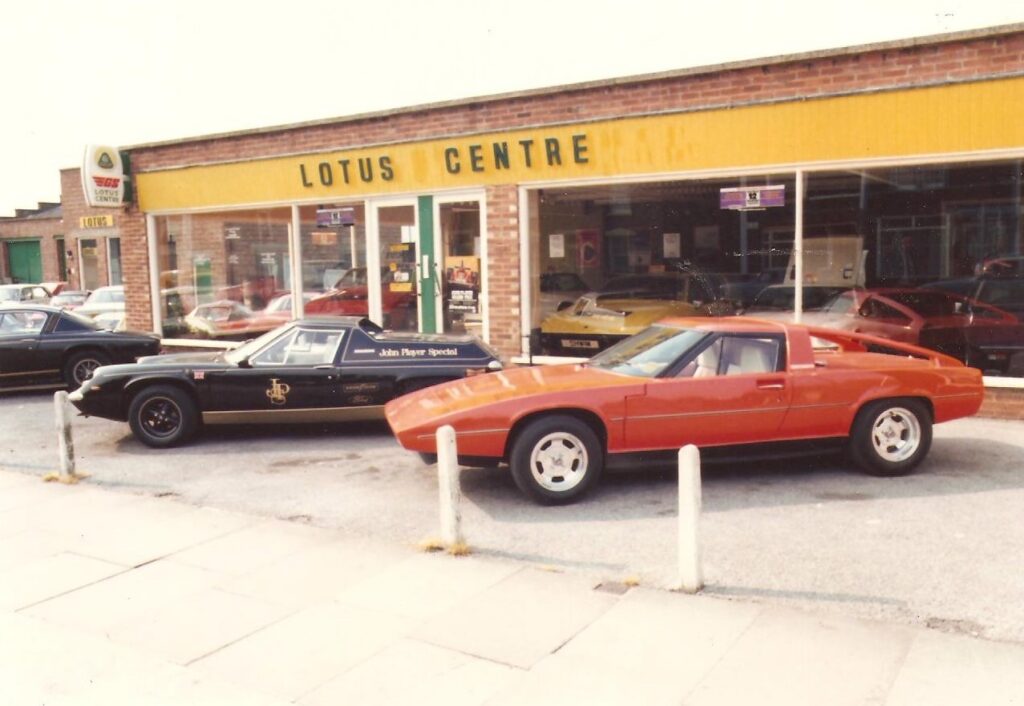
In 1968 a larger rival took over Lightweight Laminates, so Mike dusted down the Astwood Plastics name and concentrated on producing street furniture and road signs. They successfully pioneered the use of resin-transfer moulded GRP.
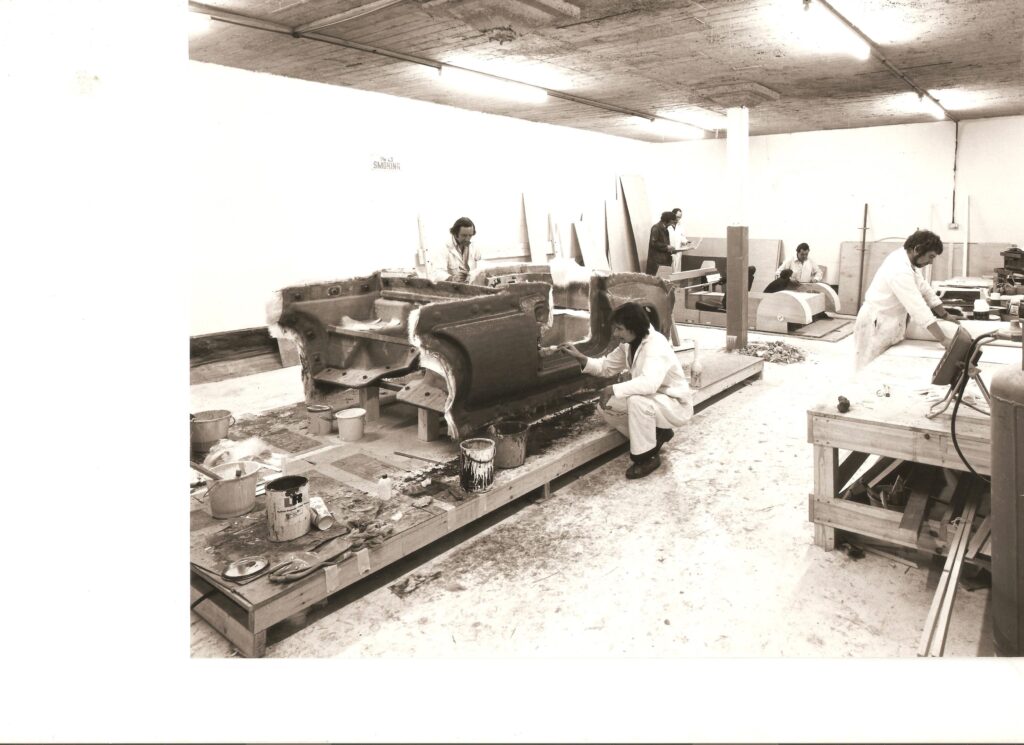
In 1970, along with his employee – and genius GRP laminator – Barry Sheppard as co-director, Mike revisited his old Rawlson name again setting up first in Castle Street and later a larger premises in Coombe Valley Road, Dover.
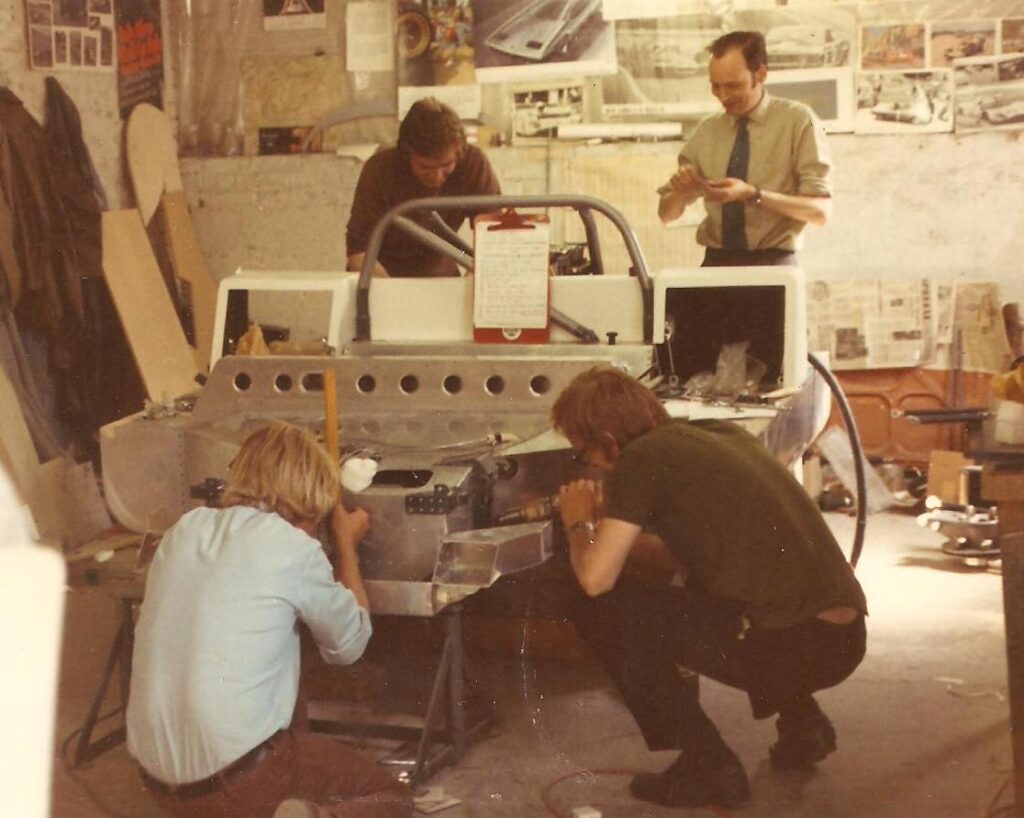
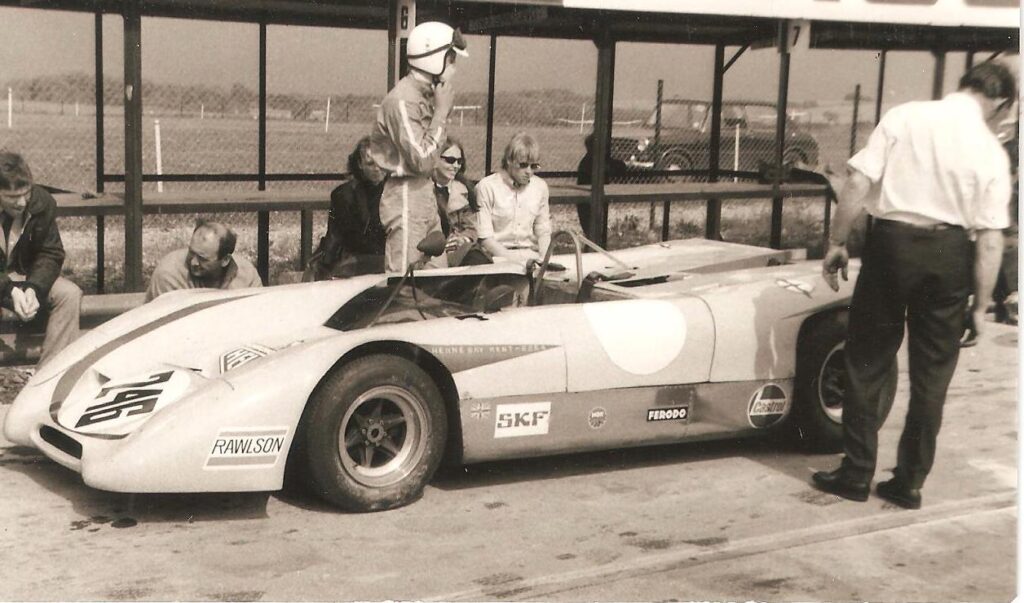
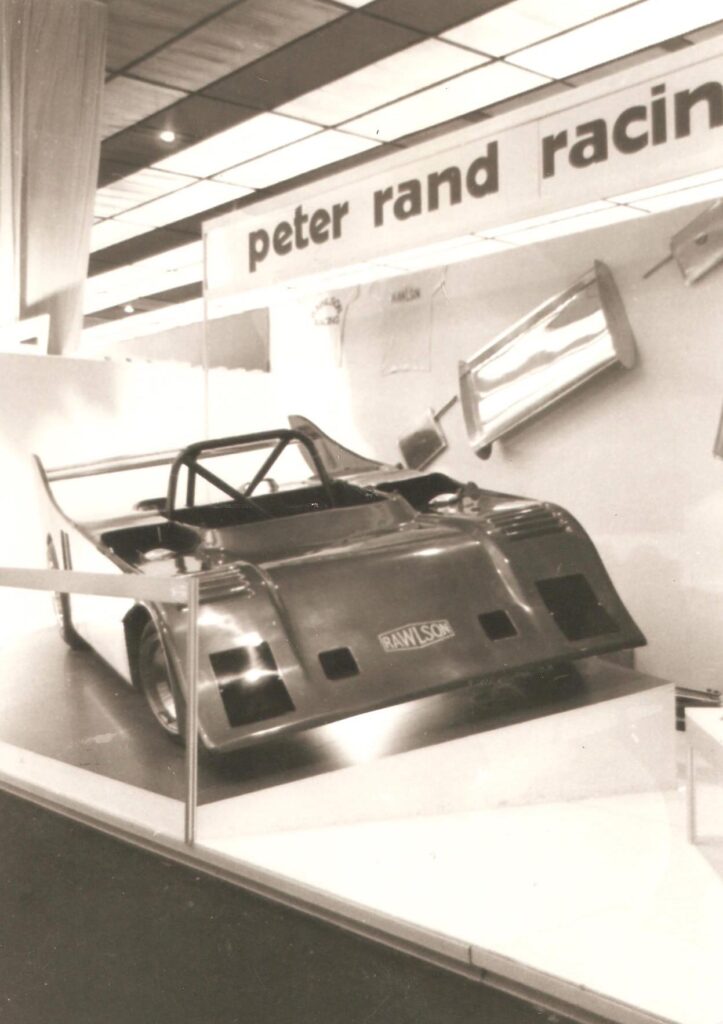
They decided to follow their passion for motorsport on a full-time basis producing a succession of sports-racers starting with the CR6 a car that took part in the Nürburgring 500kms and Barcelona 6-hour race in 1969. It used a clapped out Cosworth MAE 1-litre (derived from the Ford 105E engine) unit.
Then came the CR7, in 1970, a similar car to the CR6 but one with a revised chassis and marked the arrival of their new works driver called Gerry Marshall
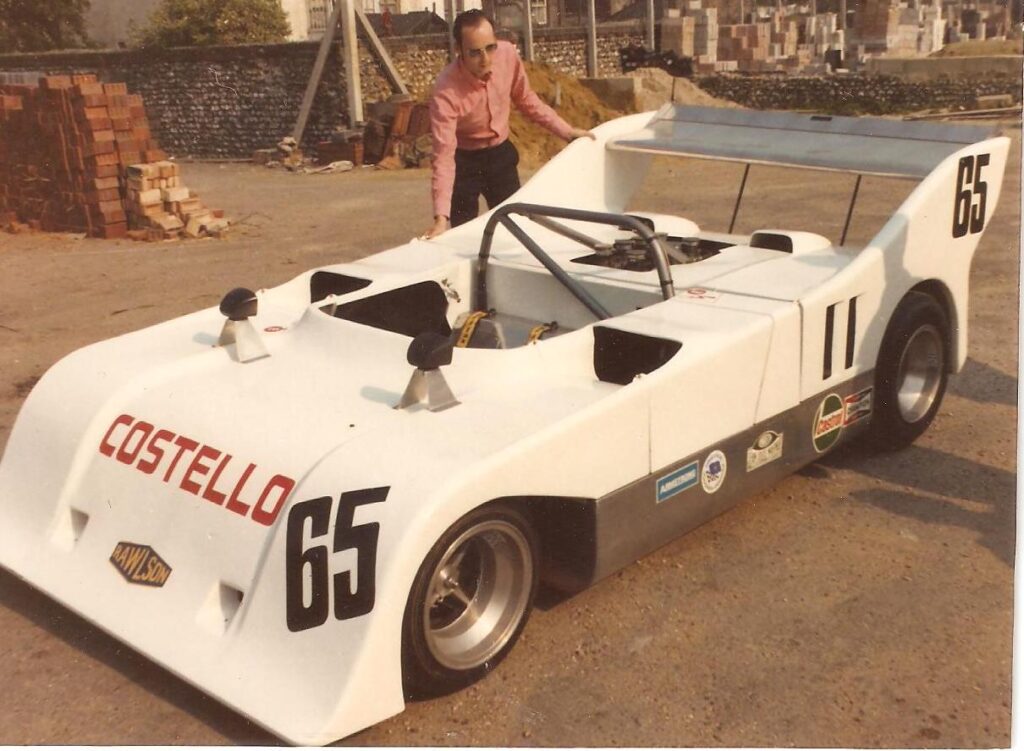
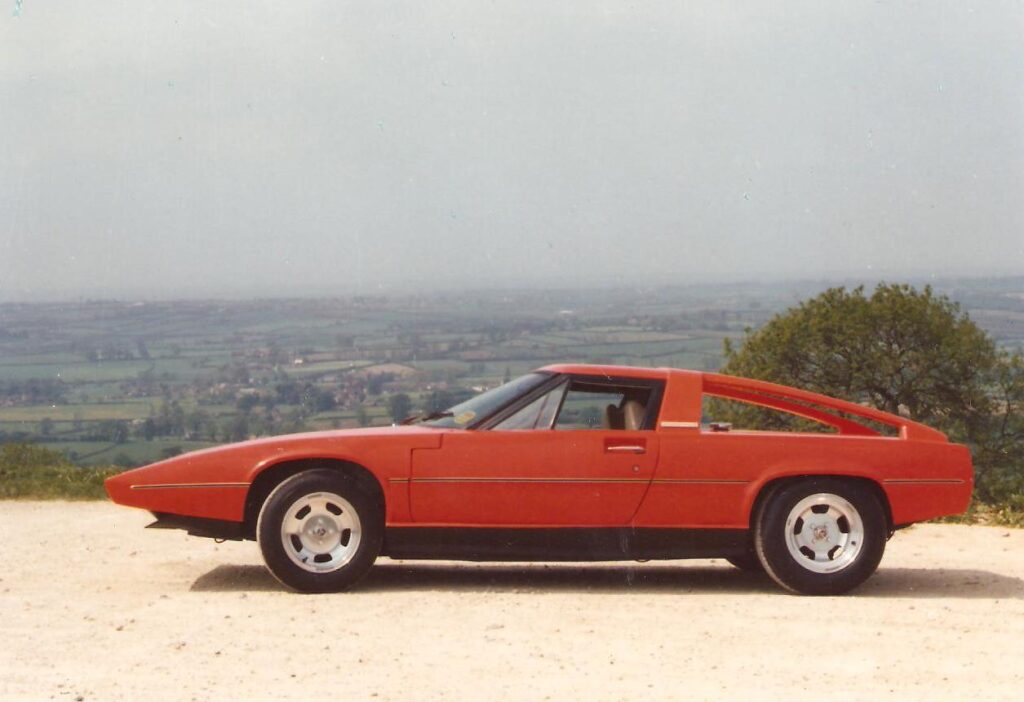
The man behind the kit project was the gentleman that is Mike Rawlings, boss of well-known, ace Dover-based GRP company, Rawlson Racing. He was joined by another top laminator in Barry Sheppard in 1972, at which point they began work on the prototype for what became the Rawlson 250LM. The prototype was ready in 1976, according to Mikewas the man behind it and his employee, Barry Sheppard who joined in 1972 came up with a four-seat VW Beetle-based version. First prototype as far back as 1976, but it didn’t reach production readiness until 1982, mainly due to Rawlson being so busy on their contract work which saw them heavily involved with boats.
Incidentally, Rawlings had previously worked at Heron Plastics (Heron Europa) in South East London and had started Rawlson in 1960. He later collaborated with his good friend William Towns on the brilliant GS Europa. Latterly he ran Breckland Technology in Norfolk, where they did various contracts.
Barry Sheppard shouldn’t be underestimated. He was an accomplished club racer and gifted laminator, producing lightweight GRP bodies for rallying, single-seaters for a popular French race series, silhouette ‘special saloon’ bodies for Dealer Team Vauxhall and also, for a time, the Tyrrell F1 bodies when they weren’t made by Jim Finch.
The original Ferrari 250LM also has an interesting history. It was unveiled at the Paris Motor Show in October 1963 and featured a mid-mounted 3.3-litre version of Giochino Colombo’s legendary V12 engine.
The LM was closely related to the 250 P prototype, with a Berlinetta-style body by Aldo Brovarone (chief stylist at Carrozzeria Pininfarina between 1974-1988), who had started his career at Battista’Pinin’ Farina’s company as far back as 1953.
Ferrari wanted to homologate the 250LM for the GT racing class, to succeed the 250 GTO, but the FIA refused to put the car into that class instead putting it into the Sports Prototype category, where the odds were stacked against it. Moving forward to the modern day it would be like putting a Porsche 911 into the LMP class.
However, although Ferrari wasn’t happy and withdrew their ‘works’ team from the World Sportscar Championship at the end of the 1965 season, a 250 LMP did win the Le Mans 24 Hours race that season.
The car was entered by the North American Racing Team (NART – founded in 1958 by Luigi Chinetti to promote the Ferrari marque in the USA) and driven by Masten Gregory, Jochen Rindt and Ed Hugus.
A second 250LM came home second five laps behind entered by French privateer Pierre Dumay and co-driven by Belgian driver Gustave ‘Taf’ Gosselin.
A good result all-round for the Ferrari marque as an Ecurie Francorchamps 275 GTB came home in third, albeit eight laps down. Meanwhile, the works three car entry (two 330 P2s and a 275 P2 suffered DNFs).
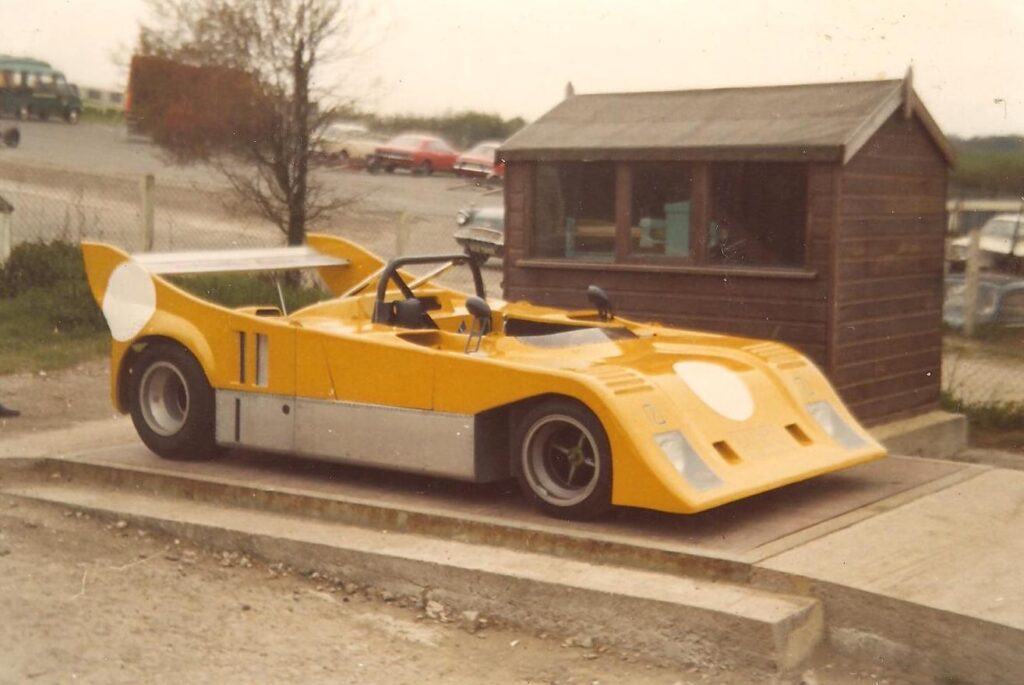
Although primarily known for their sub-contracted GRP work they also produced the Costello Can-Am racer and a variety of Sports 2000 models. The company was also well-known for their fibreglass boats.
If customers fancied one of these Ferrari replicas they had to visit Alan Hatswell’s Replicar operation to buy one.
Rawlson agreed that the VW basis had to go (Terry Sands, then of Classic Reproductions had created a bespoke Beetle floorpan for the car known as the Omegachassis using Type 3 suspension) so commissioned a ladderframe chassis from Jago Automotive and used Ford CVH engines instead of the air-cooled Beetle from 1983.
By 1984, the project was briefly with Ken Sharman of Dedham, Essex, before moving to Classic Replicars, run by Mike Lemon and Bruce Swales based in the New Forest.
After their tenure, Alan Frener and Lynn Mayoh of Western Classics tookover in 1985 and it was he who created a new chassis to accept mid-mounted Alfasud engines while at the same time re-naming it 164 LM.
The project ended its days with Tiger Racing, and was one of Jim Dudley’s first products, based around VW Golf engines.
Rawlson 1982-84
K.Sharman & Co 1984-86
Classic Replicars 1986-87
Western Classics 1987-89
Tiger Racing 1989-98
Approx 15 made