










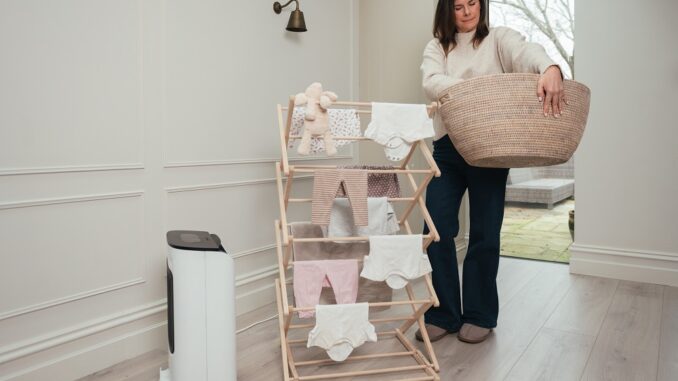
To mark Damp and Mould Action and Awareness Week, Meaco is sharing practical advice to help households control moisture and prevent mould
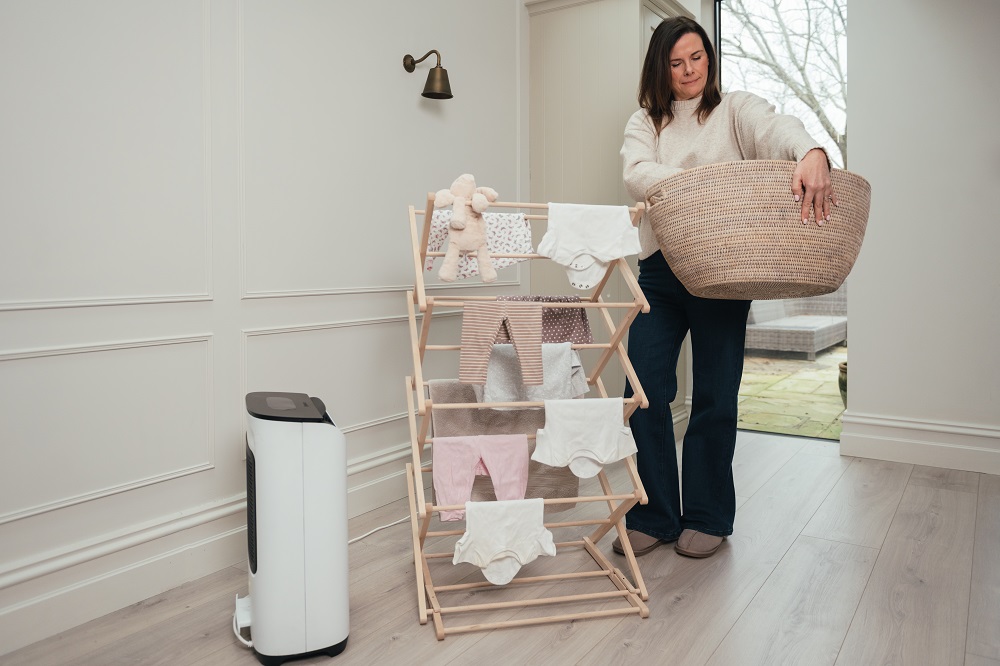
Meaco co-founder, Chris Michael, is encouraging households to recognise moisture problems early, address their root causes, and protect their indoor environments.
Allergy UK is supporting the week by highlighting the links between mould and allergy, including coughing, sneezing, and breathing difficulties, particularly for people with asthma. The charity reports that seven in ten people with an indoor allergy say it affects their mental wellbeing.
The financial pressure facing many families can exacerbate these health risks, as high energy prices force households to make difficult choices to manage their bills. Keeping windows closed, reducing heating, and cutting back on tumble dryer use are understandable ways to save money, but these decisions make it harder for everyday moisture to escape. Drying washing indoors is a prime example: water evaporates into the air, accumulating alongside steam from cooking and showering, to create ideal conditions for condensation and mould.
“Prevention needs to be realistic and affordable,” says Chris. “As we move into autumn with colder, wetter weather, the first step is always identifying where the excess moisture comes from. If there is a specific problem, you can get that fixed. Otherwise, for excess humidity from daily activities, you can find practical ways to remove the moisture and adapt your routines to generate less of it.”
Here are Chris’s five tips to help prevent moisture problems:
Reduce moisture at its source
Put lids on saucepans when boiling or simmering food and use a kitchen extractor that vents outdoors. Run the bathroom extractor during and after bathing or showering, keeping it clean according to the manufacturer’s instructions to maintain efficiency. Opening a window briefly afterwards also helps clear damp air. Finally, keep trickle vents open and air bricks clear so damp air has a way out.
Make indoor laundry drying more efficient
Use an extra spin cycle if garment care instructions allow, as extracting more water in the machine means less needs to evaporate indoors. Space clothes apart on an airer, position it away from walls, and avoid draping wet items over radiators. Use a dehumidifier or suitable ventilation to manage the moisture released during drying.
Give air room to circulate
Leave a gap between furniture and external walls, particularly behind wardrobes, sofas and beds. Avoid packing clothes and shoes tightly against cold walls inside cupboards. Open curtains and blinds during the day to let in available sunlight and prevent trapped moisture around windows. Regularly check concealed corners and furniture backs for musty smells to catch issues early.
Invest in an energy-efficient dehumidifier for moisture control
While a hygrometer measures when relative humidity rises above 55%, a dehumidifier actively protects your health and your property by removing that excess moisture. It prevents mould growth, assists with laundry, and makes heating more efficient because dry air is cheaper to warm. When buying, remember that a cheap purchase price is often a false economy. Budget units usually consume far more energy over time, costing significantly more to run per hour while offering much shorter warranties.
Investigate recurring damp
Leaking pipes, overflowing gutters, damaged roof tiles and window gaps can allow water into a property. Any damp patch that returns after rain or persists despite humidity control needs professional investigation. Arrange repairs or report the issue promptly to your landlord if you rent. A dehumidifier cannot fix a structural building defect, and cleaning visible mould without addressing the root cause will not stop it from returning.
More from www.meaco.com ENDS.